What Is Nerve Reconstruction Surgery and Why Is It Needed?
Nerves are like tiny electric wires inside our body. They carry messages from the brain to different body parts. These messages help us:
- Move our hands and legs
- Feel pain, heat, cold, or touch
- Control muscles
When a nerve is cut, crushed, or badly injured, these messages stop traveling. That is when nerve reconstruction surgery in Indore becomes important.
This surgery repairs or rebuilds the damaged nerve so signals can flow again. Without treatment, nerve damage can lead to:
- Permanent weakness
- Loss of feeling
- Muscle shrinkage
- Difficulty doing daily activities
Nerve reconstruction surgery helps restore normal life as much as possible.
What Causes Nerve Damage That Requires Surgery?
Nerve damage can happen for many reasons. Some injuries heal on their own, but severe damage needs surgery.
Common causes include:
Road accidents causing deep cuts or crushing injuries
Workplace injuries involving machines or sharp tools
Birth injuries affecting nerves in newborns
Falls or sports injuries
Tumors or infections pressing on nerves
Previous surgeries where nerves were accidentally injured
In such cases, nerve reconstruction surgery in Indore is often the best solution to repair the damage.
Types of Nerve Reconstruction Surgery
There is no single type of nerve repair. The method depends on how badly the nerve is damaged.
All these methods are part of advanced nerve reconstruction surgery in Indore.
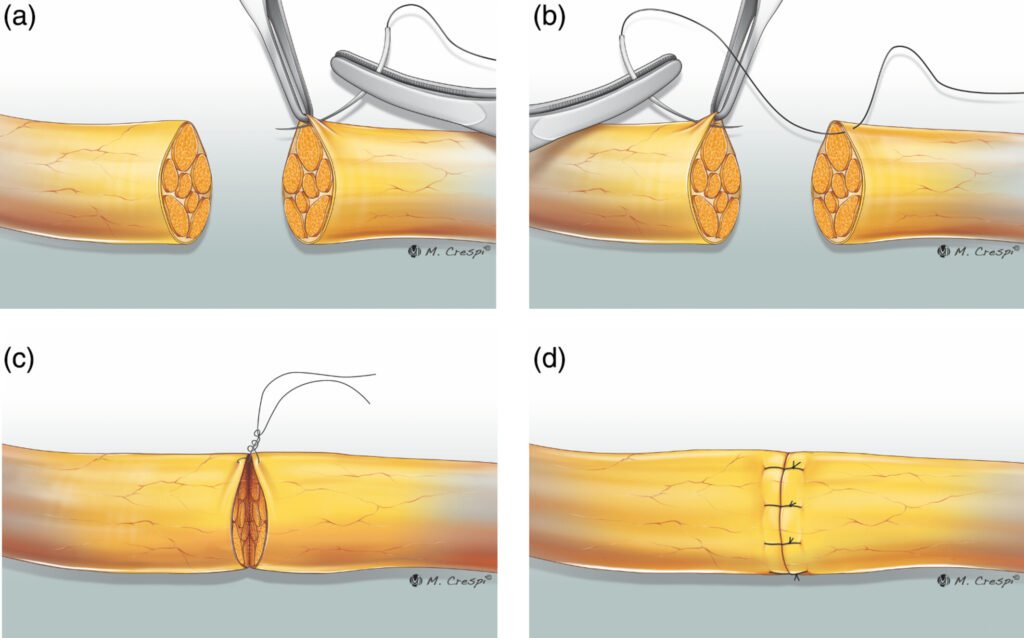
Direct Nerve Repair
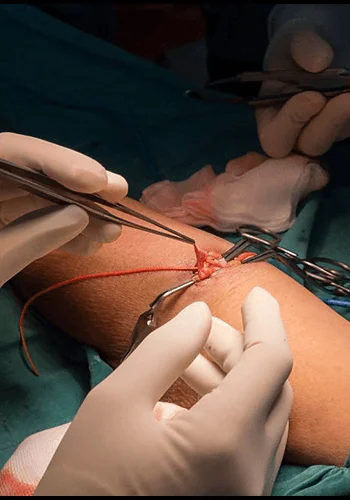
If the nerve ends are clean and close, the surgeon gently stitches them together.
Nerve Grafting
When there is a gap between nerve ends, a small healthy nerve from another body part is used to bridge the gap.
Nerve Transfer
A working nerve is redirected to replace the damaged one. This is common in severe injuries.
Neurolysis
If scar tissue is pressing on the nerve, it is carefully removed to free the nerve.
How Is Nerve Reconstruction Surgery Performed?
The surgery is done using advanced microscopes and fine instruments.
Step-by-step process:
- Anesthesia is given so the patient feels no pain
- The damaged nerve is carefully located
- The surgeon repairs, grafts, or transfers the nerve
- Fine stitches thinner than hair are used
- The area is closed gently
A trained Plastic surgeon in Indore ensures maximum safety and precision during surgery.
What to Expect Before and After Nerve Reconstruction Surgery
Before Surgery:
Detailed examination
Nerve tests (EMG, NCV)
MRI or ultrasound if needed
Clear explanation of results and recovery
After Surgery:
Mild pain and swelling (temporary)
Bandage or splint to protect the nerve
Gradual physiotherapy
Regular follow-ups
Nerve reconstruction surgery in Indore focuses on long-term healing, not instant results.
Recovery Time After Nerve Reconstruction Surgery
Nerves heal slowly, like plants growing roots.
Recovery timeline:
- First few weeks: wound healing
- 3–6 months: early nerve signals return
- 6–12 months: improved movement and feeling
- Up to 18 months: full potential recovery
Physiotherapy plays a big role in recovery after nerve reconstruction surgery in Indore.
Frequently Asked Questions
Nerve reconstruction surgery in Indore repairs damaged nerves so signals from the brain can travel properly again. This helps improve movement, strength, and sensation, making daily activities easier and safer.
Results of nerve reconstruction surgery in Indore appear slowly. Early signs may start in a few months, but full improvement can take up to a year or more as nerves grow very slowly.
The surgery itself is painless due to anesthesia. After nerve reconstruction surgery in Indore, mild discomfort is normal and controlled with medicines.
A trained and experienced Plastic surgeon in Indore should perform nerve reconstruction because it requires microsurgical skills and deep understanding of nerve anatomy.
Yes, nerve reconstruction surgery in Indore is safe for both children and adults when done by an experienced surgeon with proper planning and care.